

Flooring Your Basement the Right Way
Basements present unique flooring challenges. Between concrete subfloors, potential moisture issues, and varying temperatures, you need flooring that can handle it all.
Understanding Basement Challenges
Moisture: Concrete wicks moisture from the ground
Temperature: Basements are typically cooler and less climate-controlled
Flooding risk: Even finished basements can experience water intrusion
Concrete subfloor: Hard, cold, and potentially uneven
Best Basement Flooring Options
1. Luxury Vinyl Plank (LVP) - Our Top Pick
LVP is ideal for basements because:
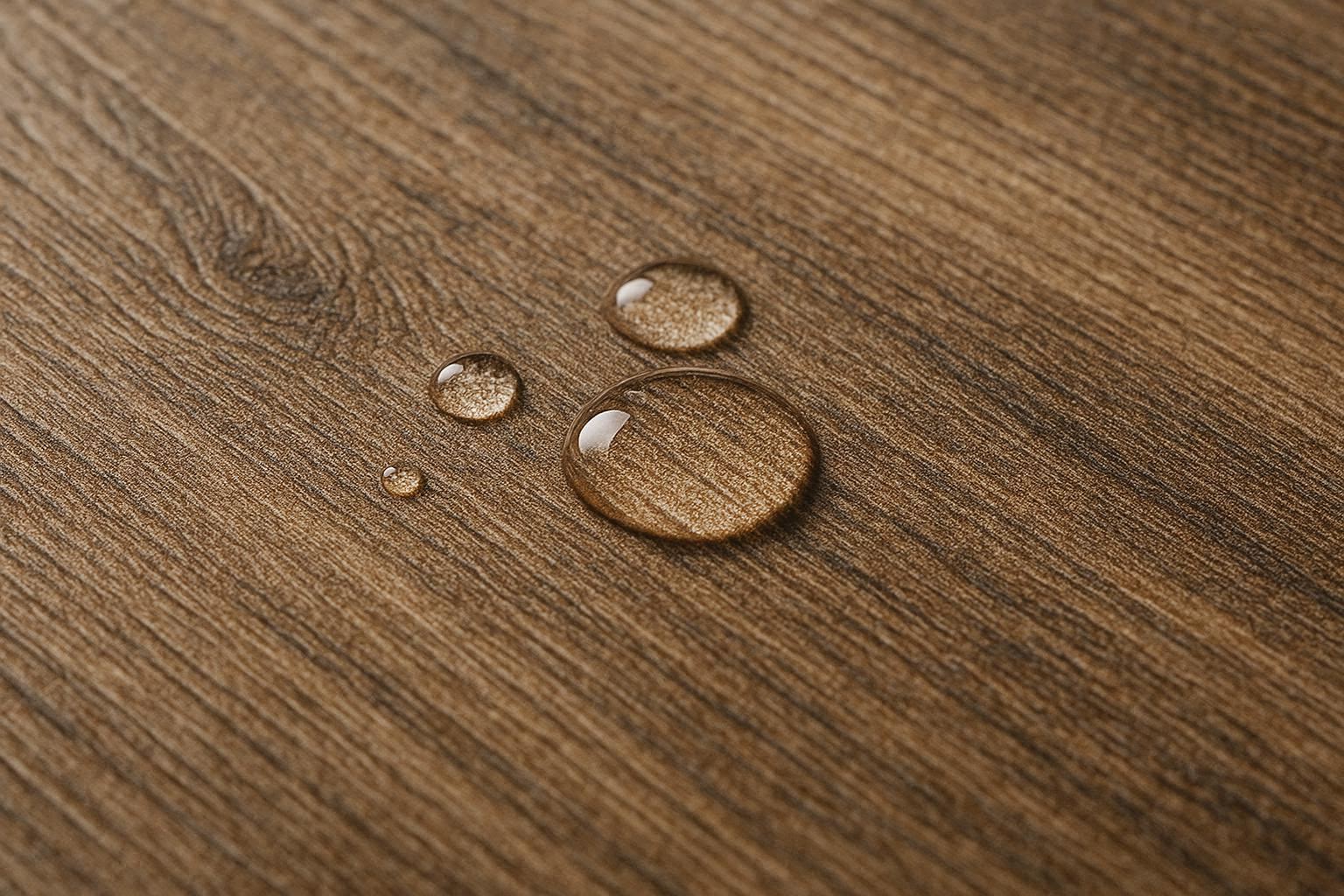
100% waterproof - can handle flooding
Installs directly over concrete
Comfortable with underlayment
Wide range of wood-look styles
Easy to remove and replace if needed
2. Ceramic or Porcelain Tile
Tile works well in basements:
Completely waterproof
Extremely durable
Works with radiant floor heating
Cold without heating system
3. Epoxy Coatings
For utility basements or home gyms:
Seamless and waterproof
Easy to clean
Very durable
Many decorative options
4. Rubber Flooring
Perfect for home gyms and play areas:
Cushioned and comfortable
Sound absorbing
Slip resistant
Handles moisture well
What to Avoid in Basements
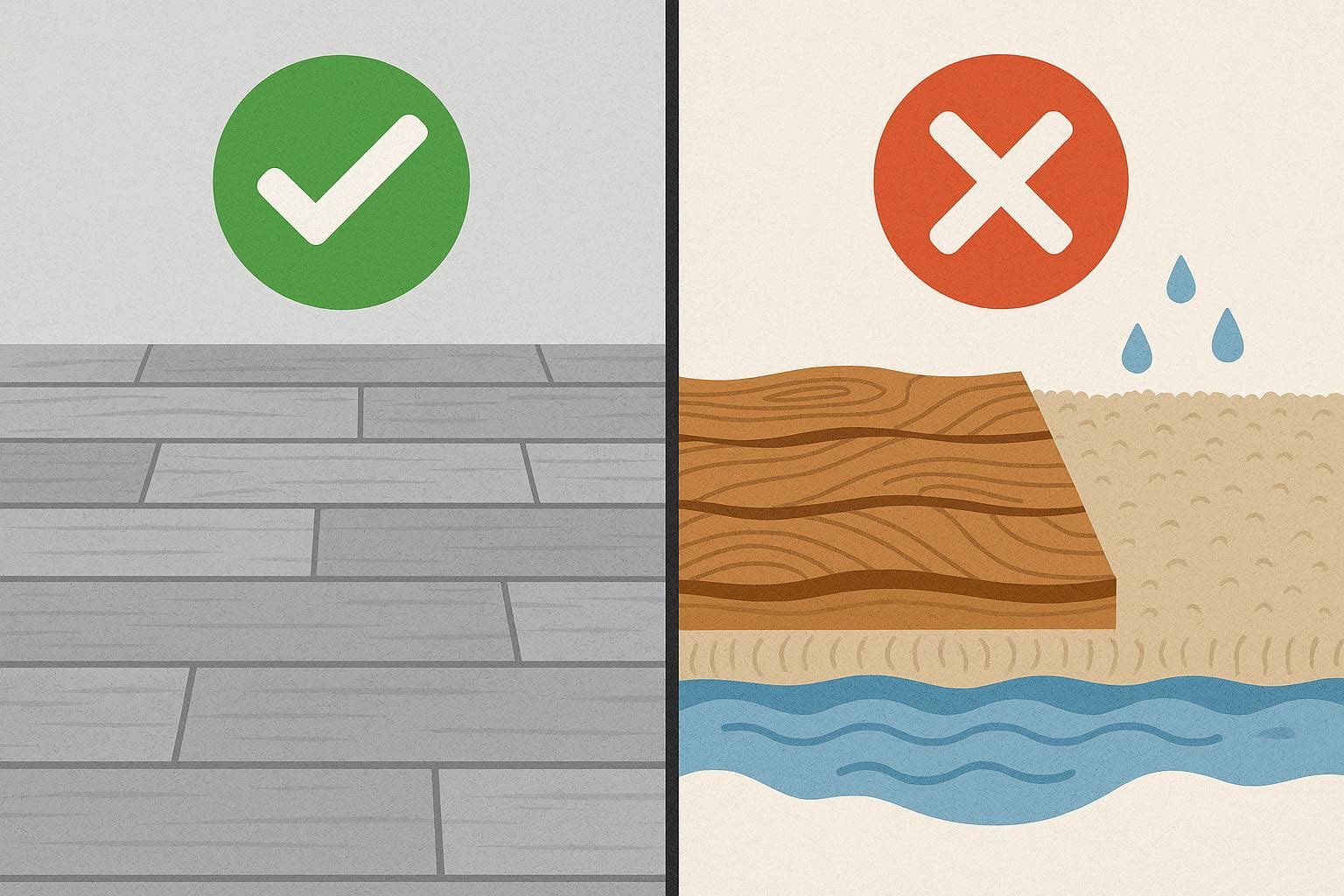
Solid hardwood: Will warp and cup from moisture
Standard laminate: Core swells when exposed to moisture
Carpet: Traps moisture, breeds mold and mildew
Cork: Too susceptible to moisture damage
Moisture Testing is Essential
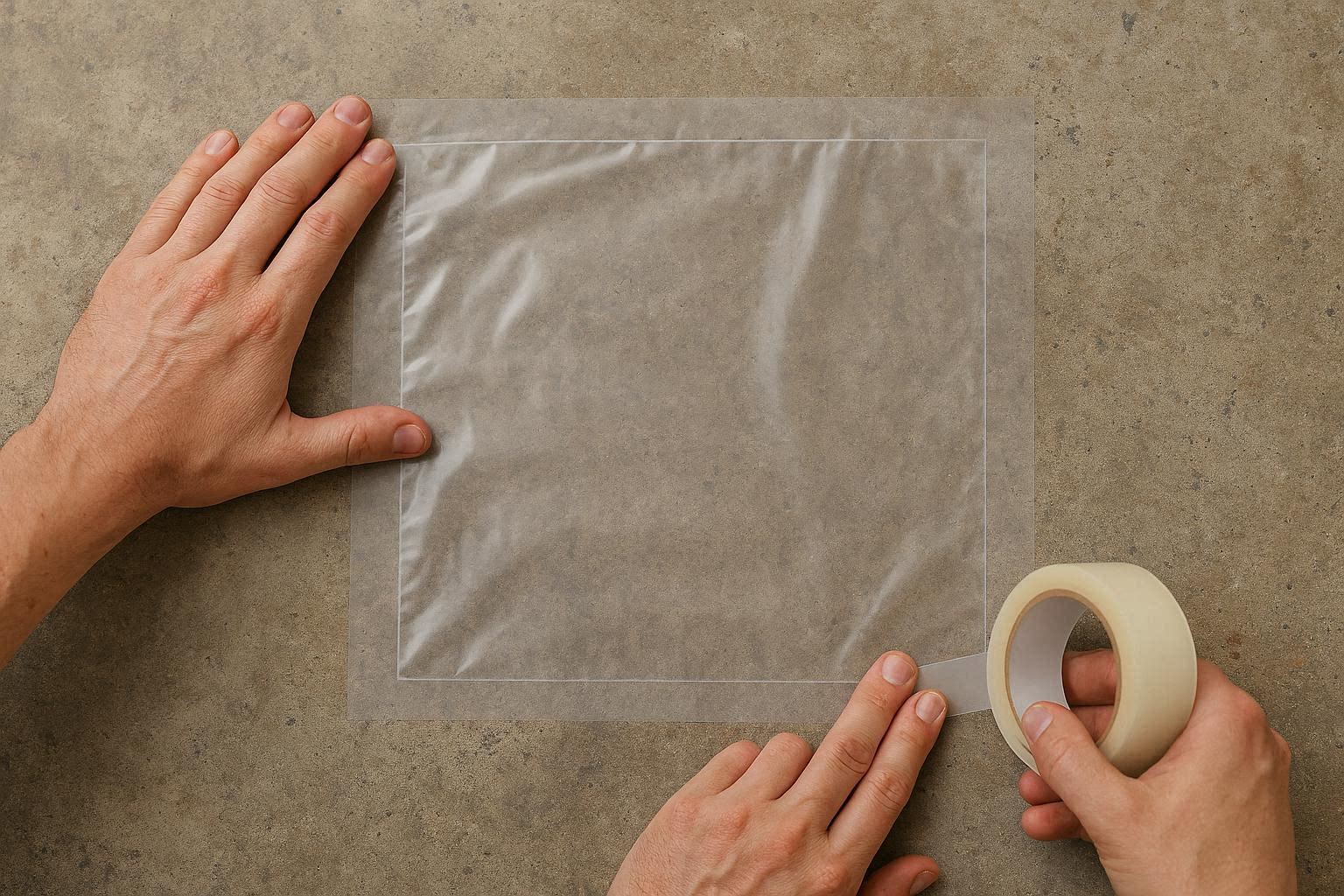
Before installing any flooring, test your concrete for moisture:
Tape plastic sheeting to the floor
Wait 24-48 hours
Check for condensation under the plastic
If moisture present, address before flooring installation
Subfloor Preparation Tips
Fill cracks and low spots with self-leveling compound
Consider a moisture barrier or vapor retarder
Use quality underlayment designed for basements
Address any water intrusion issues first
